This is not an article arguing that homeopathy is better than allopathy — or the reverse. It is an honest look at what each system does well, where each falls short, and how patients can make informed, rational decisions about their care. Dr. Meenakshi frequently advises patients to use both systems when that serves them best.
Conventional allopathic medicine excels in situations that require immediate, measurable intervention. For acute emergencies — a broken bone, a severe infection, a cardiac event, appendicitis — nothing replaces the speed and precision of modern medicine. Antibiotics save lives. Surgery removes tumours. Emergency medicine is remarkable.
For infectious diseases with known pathogens, antibiotics and antivirals have clear mechanisms and measurable outcomes. Vaccines have eliminated diseases that once killed millions. Diagnostic technology — blood tests, imaging, biopsy — is unmatched in precision.
Homeopathy's strength lies in chronic, recurring, and complex conditions — particularly those where conventional medicine manages symptoms without addressing why they keep recurring.
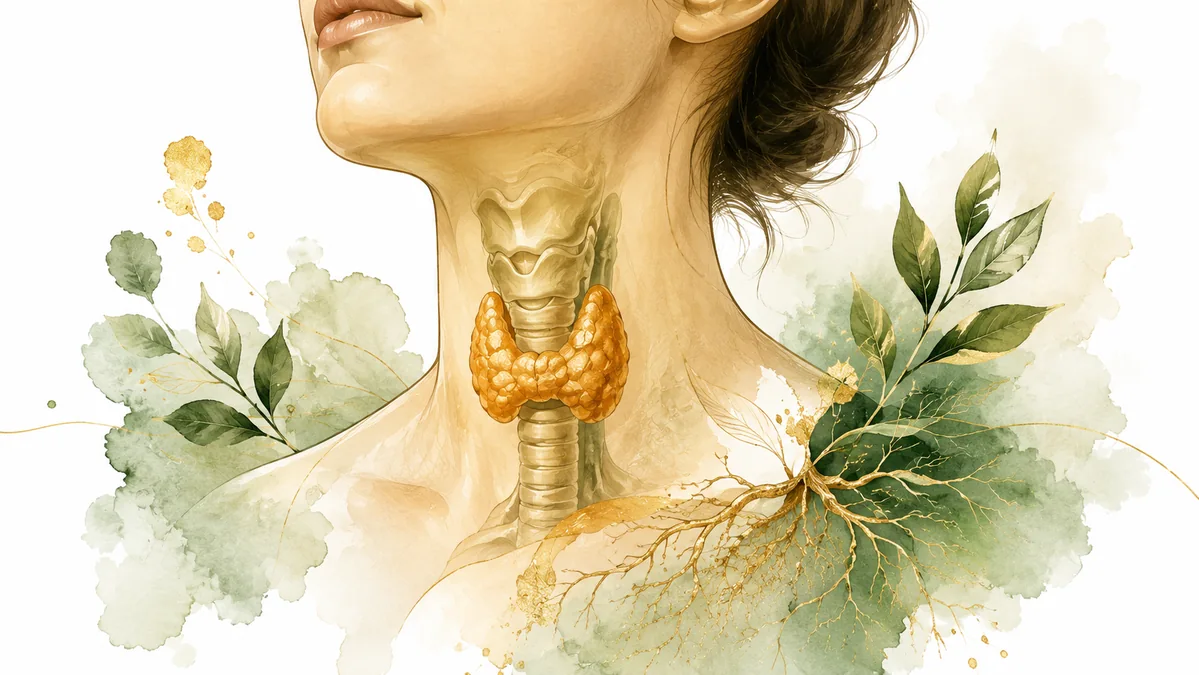
Chronic skin conditions like eczema, psoriasis, and urticaria frequently relapse despite steroids and immunosuppressants. PCOS, thyroid disorders, and hormonal imbalances are managed with medication indefinitely but rarely resolved. Recurrent infections — tonsillitis, sinusitis, UTIs — are treated with repeated antibiotic courses without addressing the immune susceptibility.
In all these situations, homeopathy offers something conventional medicine typically cannot: a treatment aimed at the individual's underlying susceptibility, not just the episode.
Dr. Meenakshi regularly tells patients: 'Use what is best for your situation.' A patient on levothyroxine for hypothyroidism can receive homeopathic treatment alongside — and if thyroid function improves, medication may be gradually reduced. A patient with severe Rheumatoid Arthritis may need disease-modifying drugs alongside homeopathy for a period, with the goal of reducing dependence over time.
The goal is never to replace medicine that is working or necessary. The goal is to address what conventional treatment cannot — the root susceptibility.
Dr. Meenakshi sees patients from across India online and in-person at the Udaipur clinic. Begin with a root cause assessment or book a consultation directly.