Piles (haemorrhoids) are one of the most common conditions seen in Dr. Meenakshi's practice — and one of the most successfully treated. Many patients arrive having been told they need surgery, after months of topical creams that provide temporary relief but do not prevent recurrence. Homeopathy addresses why the condition developed and why it keeps coming back.
Haemorrhoids are classified by grade. Grade 1: internal haemorrhoids that bleed but do not prolapse. Grade 2: prolapse during straining but return on their own. Grade 3: prolapse and require manual reduction. Grade 4: permanently prolapsed and cannot be reduced.
Homeopathic treatment is most effective for Grade 1 and 2 haemorrhoids, and produces good results in Grade 3. Grade 4 haemorrhoids generally require surgical intervention — and Dr. Meenakshi is honest about this with patients.
Surgical procedures like rubber band ligation or haemorrhoidectomy remove existing haemorrhoids but do not address the underlying factors: chronic constipation, weak venous tone, dietary habits, liver function, and constitutional susceptibility. This is why recurrence rates after surgery are significant — some studies cite 20–30% recurrence within 5 years.
Homeopathy addresses all these factors: improving bowel regularity, strengthening venous tone, and addressing the individual's overall digestive and hepatic health.
Dr. Meenakshi's case-taking for piles is detailed: the exact nature of bleeding, the timing and character of pain, the consistency and frequency of bowel movements, dietary habits, fluid intake, and any history of digestive disorders or liver conditions.
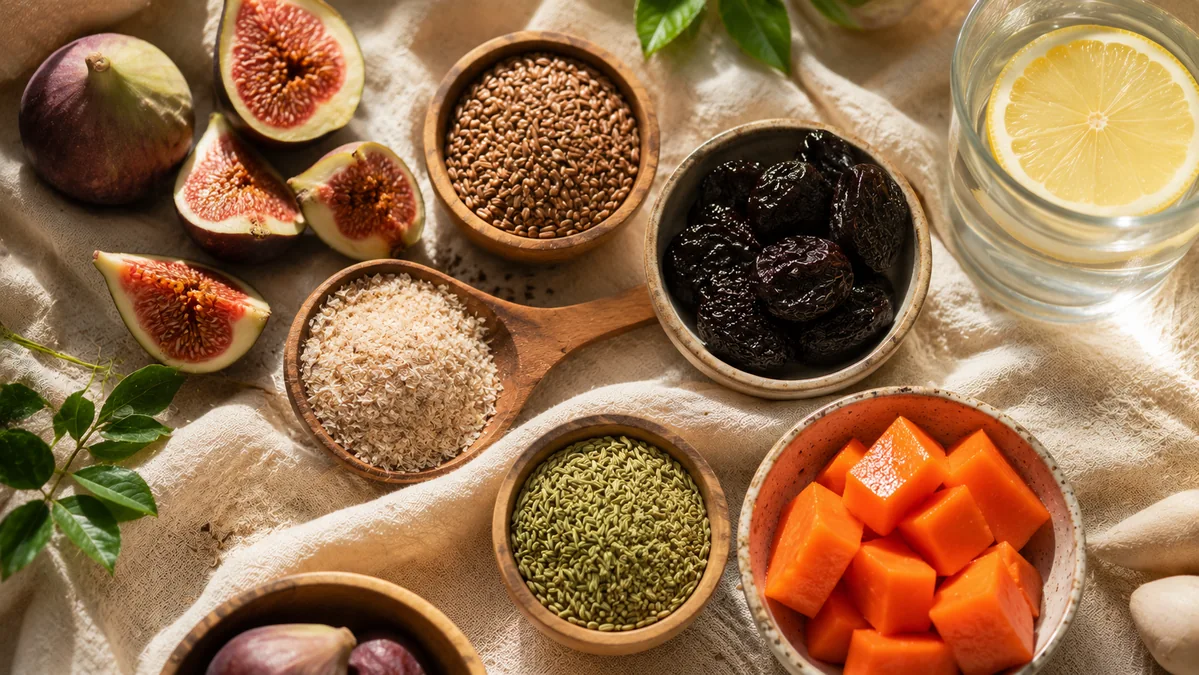
Alongside constitutional treatment, dietary guidance is provided — fibre intake, fluid intake, foods that aggravate. Most patients with Grade 1–2 piles see significant improvement within 6–10 weeks.
Dr. Meenakshi sees patients from across India online and in-person at the Udaipur clinic. Begin with a root cause assessment or book a consultation directly.